
Oct 10, 2026
Designing the Digital Workplace Experience
View moreJul 20 - 2026

The workplace is no longer a place people simply go to work, and, for many organisations, that’s a problem they still haven’t fully solved.
It is increasingly becoming a designed experience – one that must compete with the flexibility of home, the efficiency of technology, and the expectations of a workforce that is more deliberate about how and where it works.
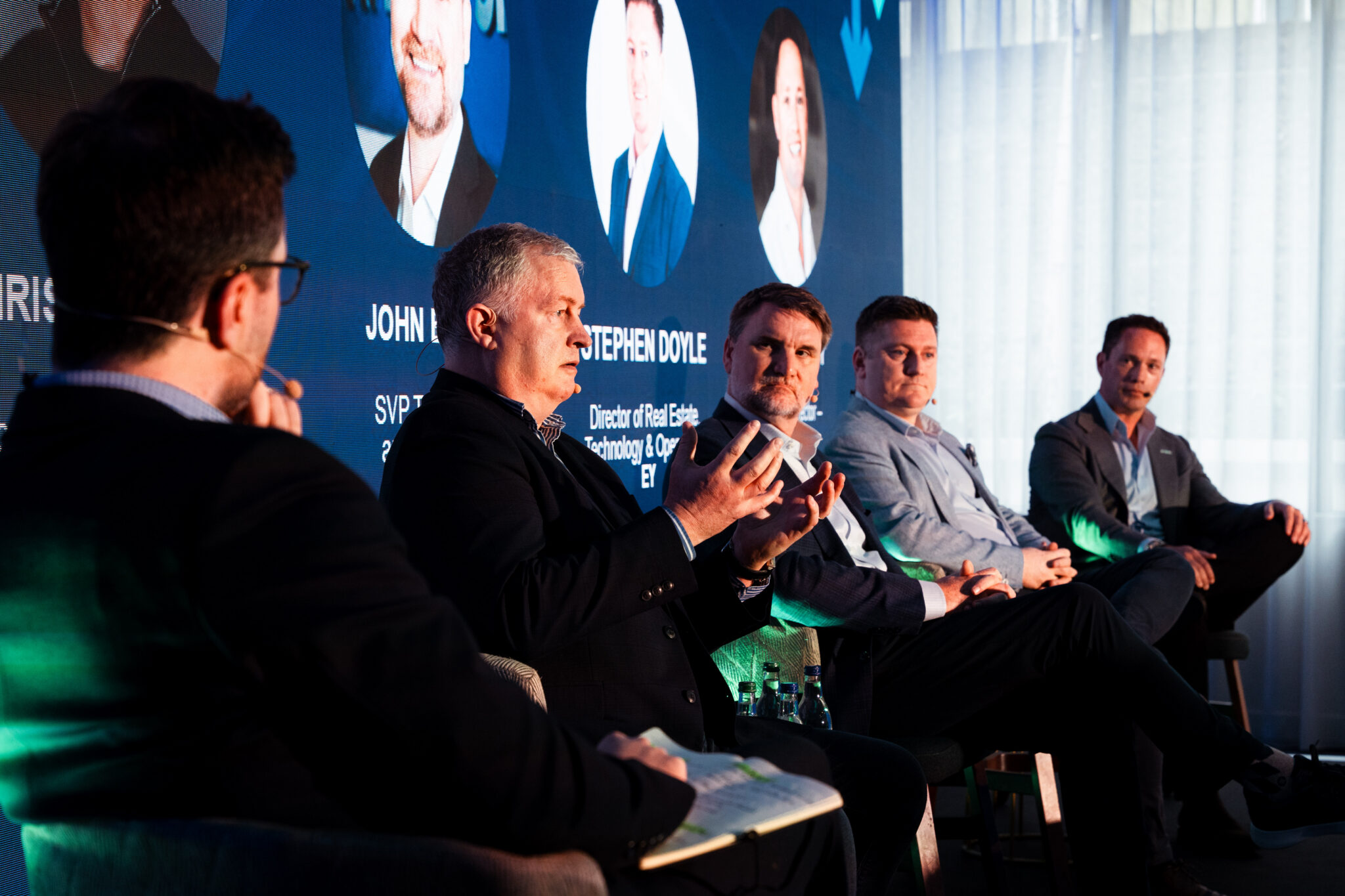
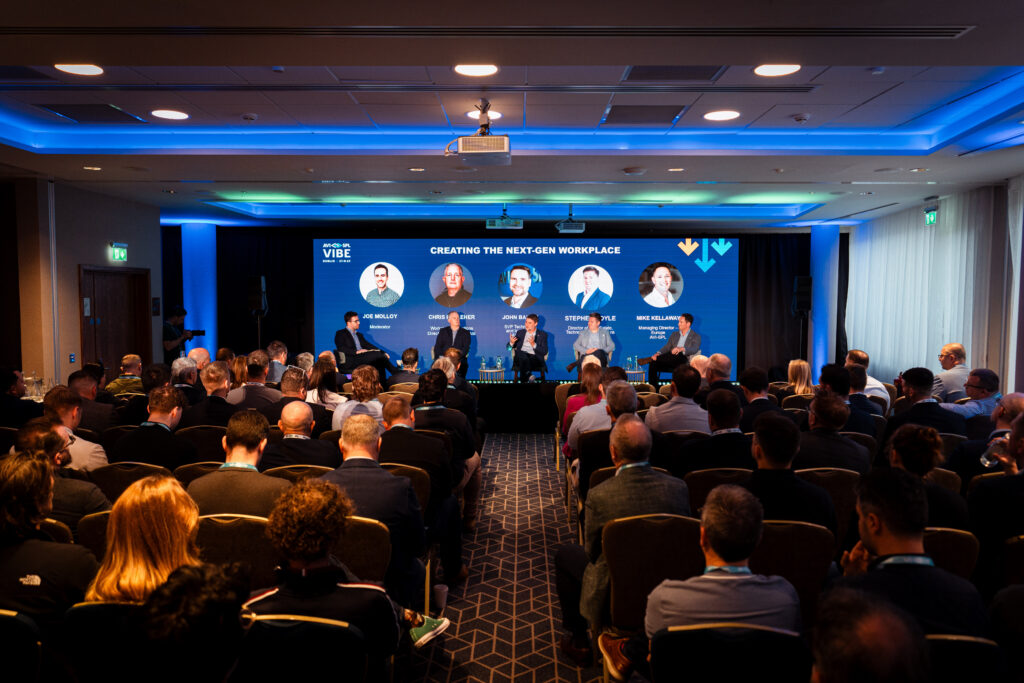
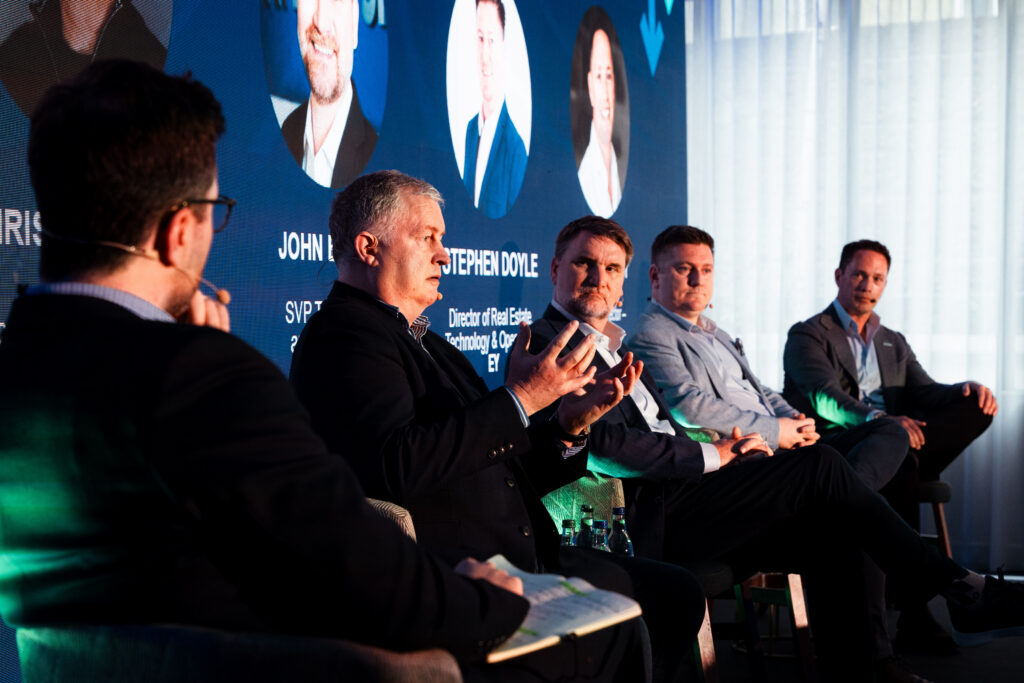
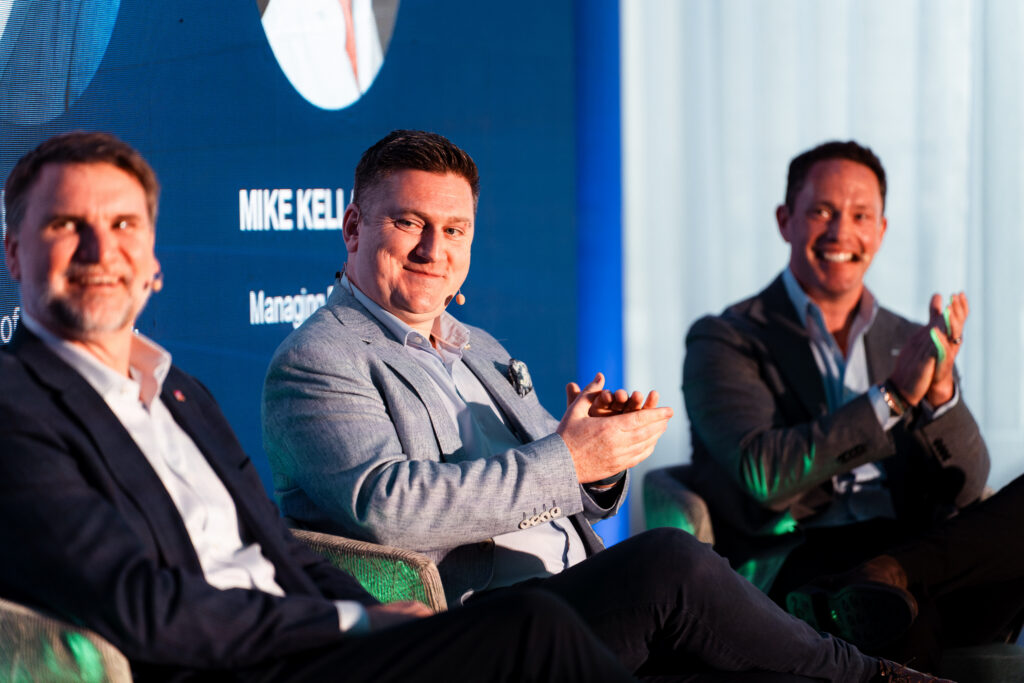
At VIBE Dublin, a panel titled “Creating the Next Generation Workplace” brought together leaders from LinkedIn, EY and AVI-SPL to explore how organisations are responding to this shift. Moderated by broadcaster Joe Molloy, the discussion made one thing clear: the future workplace is not fully defined – but it is rapidly taking shape.
Still a Work in Progress
Despite years of transformation, many organisations are still figuring out what the modern workplace should look like in practice.
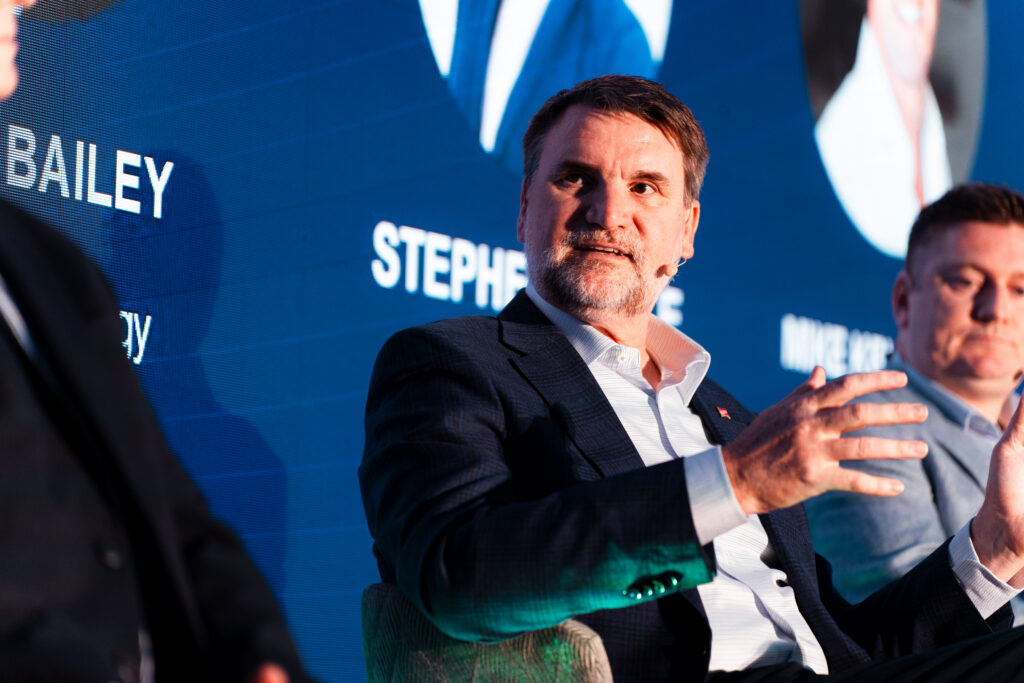
For Michael Kellaway, Managing Director – Europe at AVI-SPL, one of the biggest challenges is visibility. He explained that many organisations are making decisions without a full understanding of how their workspaces are being used, highlighting the growing importance of data in shaping workplace strategy.
“A lot of customers still don’t know what they don’t know. The ability to extract and make sense of data is going to be a very big and important part of how you deploy solutions.”
This shift toward data-led decision making is becoming foundational, enabling organisations to optimise not just real estate, but employee experience.
The Office Must Earn Its Place
If data is helping organisations understand behaviour, the bigger question is how they respond to it.
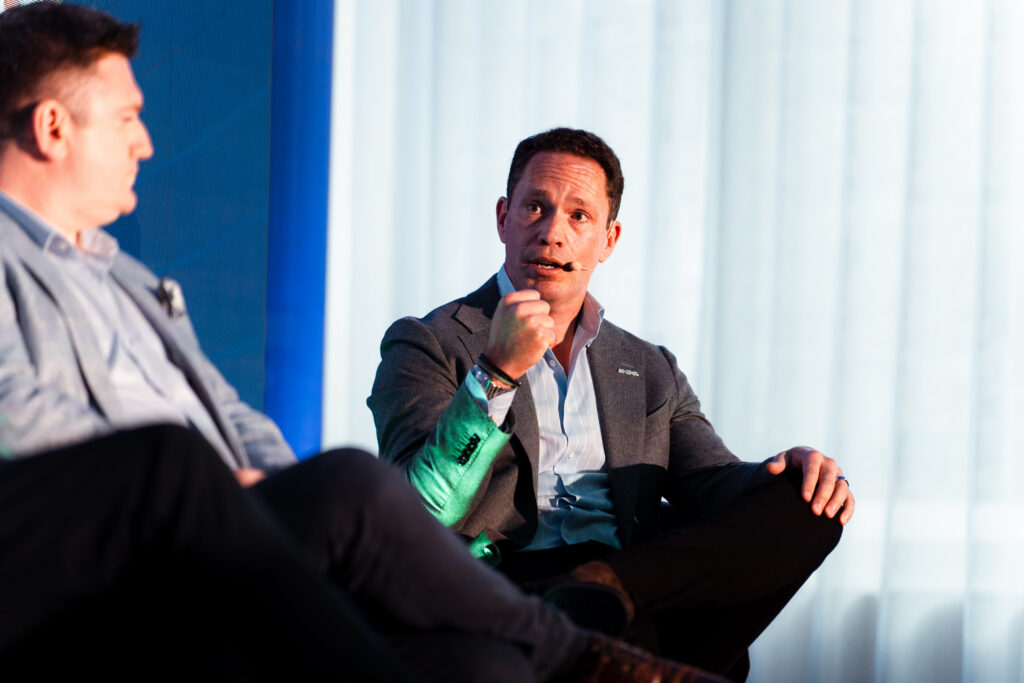
At LinkedIn, Chris Kelleher, Workplace Operations Director, EMEA & LATAM, sees a fundamental redefinition of the office underway, one that moves far beyond desks and meeting rooms.
Rather than assuming employees will return, organisations now have to give them a reason to. “You have to give them something they don’t have at home.”
That “something” increasingly centres on connection, collaboration and community -elements that are difficult to replicate remotely but essential to both productivity and culture.
As workplaces evolve, they are becoming less about presence and more about purpose.
The Shift to Intentional Working
One of the most significant changes discussed at VIBE Dublin is not just technological – it’s behavioural.
Hybrid work has matured. Employees are no longer simply splitting time between home and office; they are making intentional decisions about when to come in and why.
Stephen Doyle, Director of Real Estate, Technology & Operations at EY, sees this shift clearly across organisations.
Hybrid work, he noted, is now far more deliberate, with employees actively planning their days around specific outcomes – whether that’s collaboration, learning or connection. That has major implications for workplace design.
If the office no longer needs to support every type of work, it must excel at the moments that matter most. Or, as Doyle put it, “If you build something special that people can’t replicate at home, they will use it.”
AI Moves Into the Workplace Experience
Alongside behavioural change, technology, particularly AI, is reshaping expectations.
For many organisations, the first phase of hybrid work was about getting systems up and running. Now, the focus is on improving the experience. John Bailey, Senior Vice President, Technology & Innovation at AVI-SPL, describes this as a shift from functionality to optimisation.
Workplace technology is no longer just enabling meetings – it is starting to influence how they happen. “It’s not just facilitating – it’s actively assisting.”
From real-time insights to automated meeting support, AI is beginning to act less like a tool and more like a participant. The longer-term vision goes even further: workplaces that adapt themselves to the people and activities within them.
Closing the Knowledge Gap
Beyond meetings, AI also offers a solution to one of the more persistent challenges in organisations: access to knowledge.
Understanding how a business really works often takes years, particularly in hybrid environments where informal learning is harder to access.
Kellaway points to AI as a way to accelerate that process, helping employees, especially remote workers, access the knowledge they need to be effective far more quickly.
This, in turn, can play a critical role in engagement, productivity and retention.
Why the Office Still Matters
With so much focus on flexibility and technology, it would be easy to assume the physical office is becoming less important. If anything, the opposite may be true.
Face-to-face interaction remains a critical driver of creativity, collaboration and trust; something technology has yet to fully replicate.
“There’s something about face-to-face contact that’s just irreplaceable,” Bailey said.
The role of the office, however, is changing. It is no longer the default setting for all work, but it is becoming the most important setting for the right kind of work.
From Obligation to Destination
What emerges from the discussion is a shift in mindset, though not a fully settled one.
The future workplace is not about mandating attendance, it’s about creating environments that employees actively choose to use.
That means balancing:
Ultimately, organisations that succeed will be those that transform the office from somewhere people have to be… into somewhere they want to be.
**Ready to see how future-ready your workplace is?
AVI-SPL’s Modern Workplace Assessment gives you clarity in just a half-day workshop -evaluating your current setup and delivering a tailored roadmap for what’s next.