


Oct 13, 2026
Beyond Deployment: The Value of the Right Global Partners
View more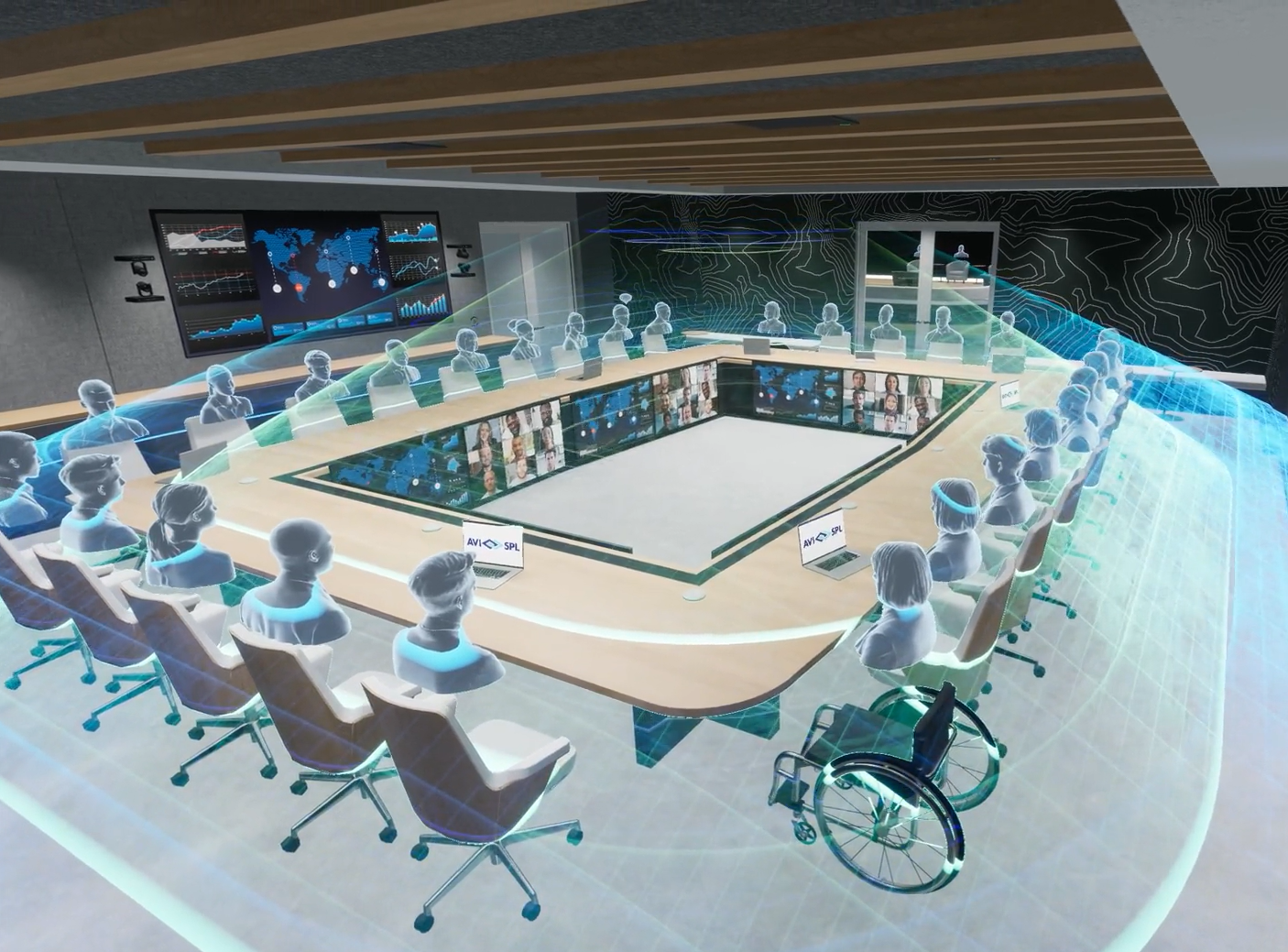
Accessible meeting and collaboration experiences help remove barriers so more people can participate. When accessibility is considered from the beginning, workplaces become easier to use and more inclusive for everyone. Disability Pride Month brought important attention to accessibility and inclusion, but those considerations remain part of workplace planning throughout the year. This article explores how intentional planning and design can create more inclusive workplaces where people can collaborate more fully.
Creating an inclusive workplace starts with accessibility, not accommodation. Addressing barriers early through intentional planning and design helps remove obstacles before they affect the employee experience. Consistent standards also help ensure accessibility remains part of the process over time. The result is a workplace that’s easier for everyone to use.
Embedding accessibility into the planning process creates more opportunities for people to participate while helping organisations build more inclusive workplaces. It also makes everyday interactions easier for people with a wide range of needs and abilities. Technology delivers the greatest value when accessibility is considered from the outset rather than added afterwards. Accessible meeting spaces, hybrid collaboration and thoughtful workplace design all contribute to more meaningful participation.
Accessibility has the greatest impact when it’s built into everyday experiences. The examples below highlight practical ways organisations can make collaboration more inclusive.
The physical meeting environment plays an important role in enabling everyone to participate. Consider whether your meeting spaces:
Everyone should have the same opportunity to contribute, regardless of where they join the meeting. A consistent hybrid experience helps:
Technology should remove barriers and enable people to participate more fully in meetings. Modern collaboration technology can support accessibility by:
Inclusive workplaces begin with planning and design that consider everyone’s needs from the outset. Keeping accessibility at the centre of workplace design creates environments where more people can participate, contribute and succeed. Disability Pride Month serves as an important reminder of why this work matters, but building accessible workplaces is a year-round commitment.
If you’re looking to create more accessible and inclusive collaboration experiences, contact AVI-SPL to learn how we can help.